International course for composition and sound art
For the fourteenth time Musica organizes a composition course for young people and adults with a passion for composing and creating. During five days and in an inspiring environment, they challenge the boundaries of their own musical imagination. At the end of this week, the participants show their creations.
From this year on, the perspective is widened with a brand new course for sound art, in collaboration with ChampdAction. With the unique collection of artworks in Klankenbos as a source of inspiration, a selected group of young artists will work with sound, music and the environment.
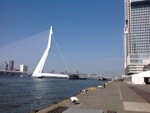
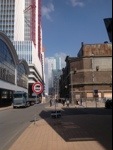
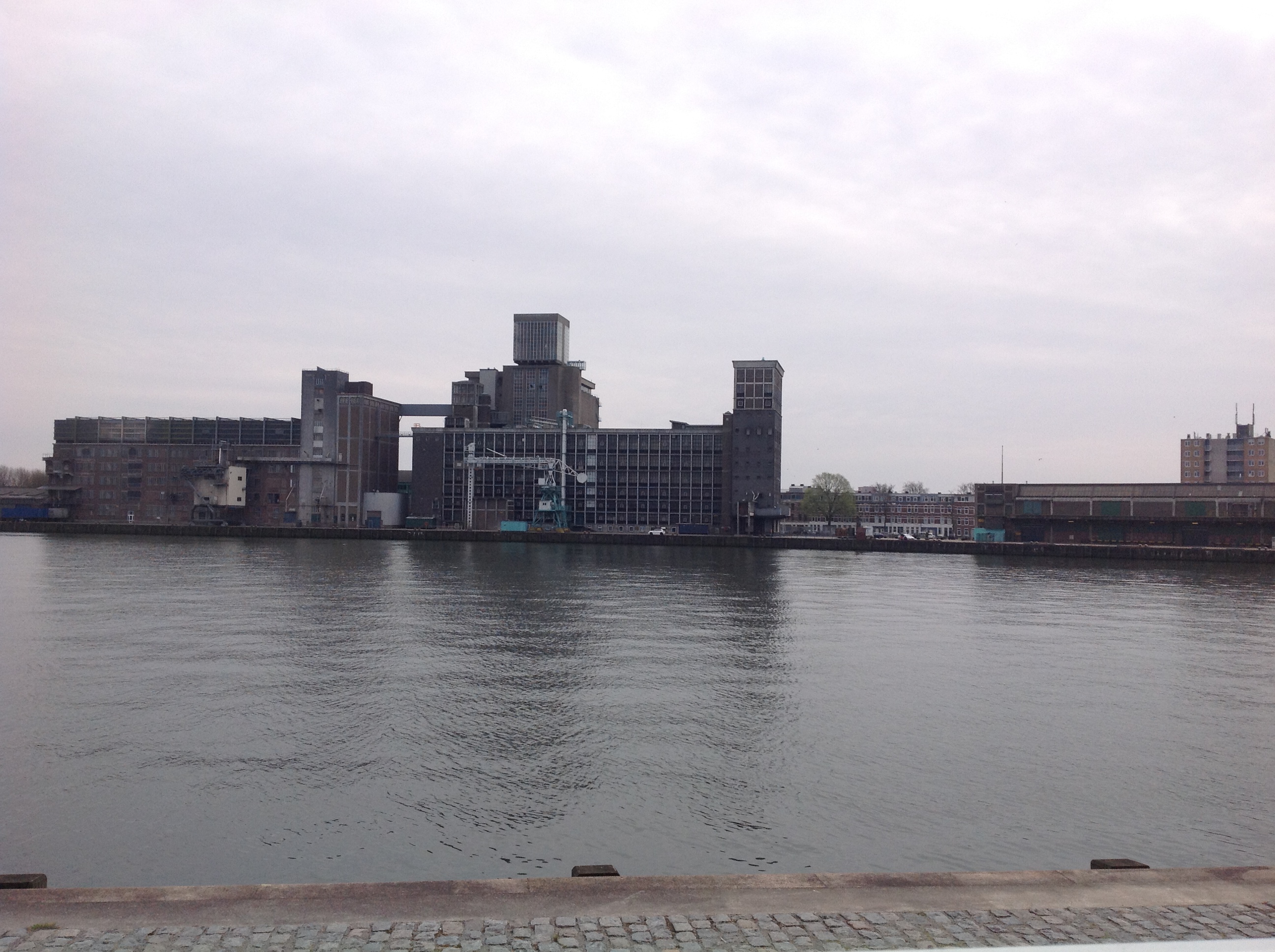
April 21, 2013, was the last day of a great festival on one of the most beautiful spots of Rotterdam, the Wilhelminapier.
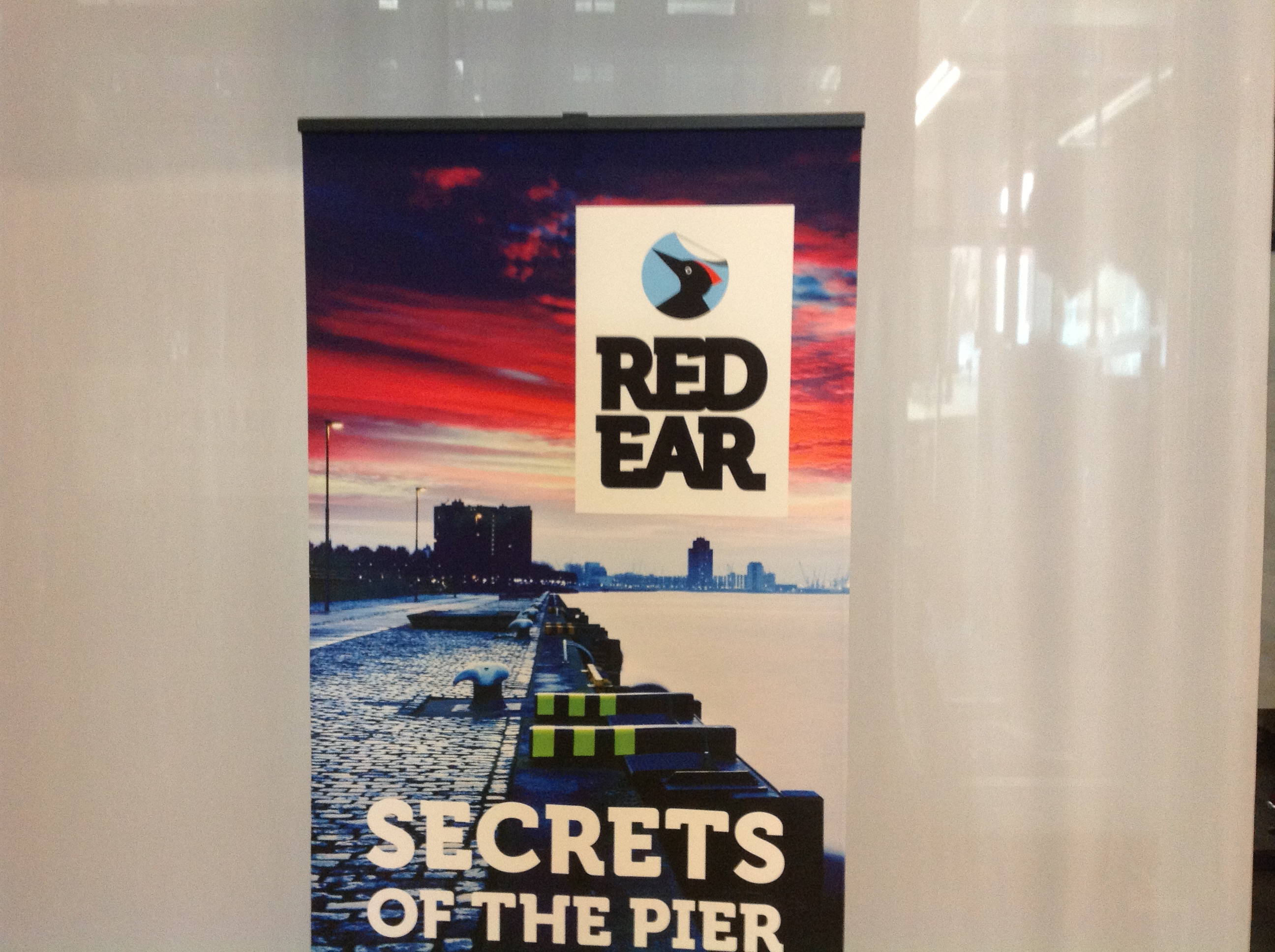
The festival – biannually organized and lasting three days – is called Red Ear. Festival with Daring Music .
It has a beautiful and challenging mix of jazz, modern classical music, sound art, improvised music, multi media installations, avant-garde music, electronic music, etc.
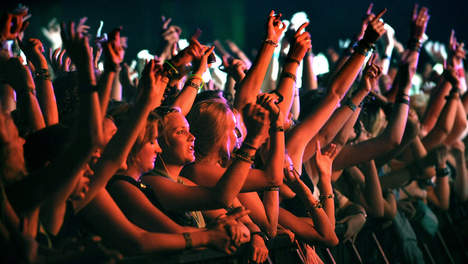
Here is a short impression of the last day of the festival, far from complete as there were over 16 performances scheduled, next to several sound installations and multi-media events.
12.00-13.00: Cloud of Identity Michel Banabila (sounds) and Geert Mul (images)
One of the most perfect combinations of visual and audio materials I have ever visited. The three big videoscreens and the impressive soundscapes gave comfortable as well as uncanny experiences of immersion. Cloud of Identity is based on the use of vowels and consonants in various linguistic systems.
13:00-14:00 Piano Concert in the Dark Untitled #275 Reinier van Houdt (piano) and Francisco Lopez (composition)
Listen to the repetitive, percussive, hammering sounds of the lowest parts of the piano. Prepared sounds, like in a Cage composition. Later on the mood changes and Van Houdt starts playing slow and soft chord progressions which reminded me of Morton Feldman.
In the second part of the piece, electronics take over and the piano remains silent. Are we listening to the same hammering sounds of the piano with which Lopez’composition opened? It seems like he has recorded and processed them, a bit like Alvin Lucier’s Nothing is Real, although without a teapot. As usual with Lopez’ pieces, it has to be experienced in the dark.
14:30-15:30 Bodurov Trio & Theodosii Spassov
Combining jazz with Balkan sounds and rhythms is not something new: Dusko Gojkovic, Bojan Zulfikarpasic, Ivo Papasov, and Slobodan Trkulja are but a few examples of succesfull musicians who have preceded the Bulgarian pianist Dimitar Bodurov, bass player Mihail Ivanov and drummer Jens Düppe. Nevertheless, the technical capacities of the musicians, the many tempo and mood changes in each tune, and the use of sound recordings, add something extra to this music in which East and West meet. Here the trio is complemented with kaval player Theodosii Spassov.
15:30-16:30 Stian Westerhus Solo
Electric guitar, computer, amplifiers, and an impressive amount of effect equipment – that’s the instrument with which Westerhus is interacting. The results consist of layers of sound, sometimes dreamy and tonal, at other moments rough, raw, and noisy.
16:30-18:00 The David Kweksilber Big Band
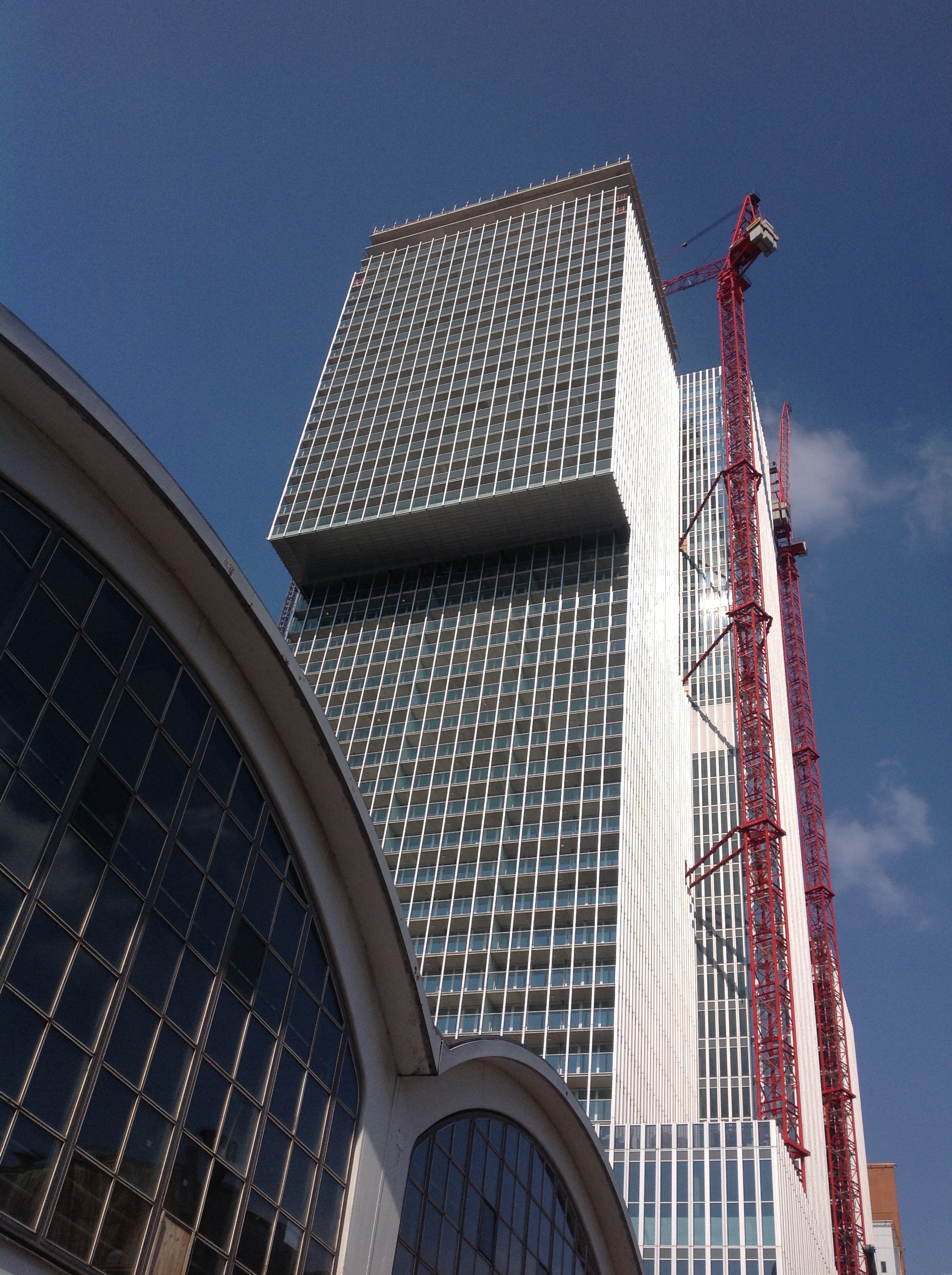
This is a piece by Ned McGowan, especially composed for this Big Band, for this Festival, and for the biggest building on the Wilhelminapier, Rem Koolhaas’ The Rotterdam.
The piece is loosely based on Ligeti’s Poeme Symphonique for 100 metronomes. Here, each big band member has its own meter. Perhaps this corresponds with the (a)synchronisity of the building itself.
In Pursuit of Silence is a meditative feature documentary about the value of silence, our relationship with sound, and the implications of living in such a noisy world. From the monastic traditions of the world’s religions to the universal practice of the “moment of silence” as an act of mourning, humanity has had a long fascination with silence. Today when one in three Americans suffers from some degree of hearing impairment, this relationship with silence, which once served as the key to our evolutionary sustainability, is challenged more than ever as the world continues to grow noisier. Interweaved between reflective and artful scenes of silence viewers will experience intimate stories about people, their pursuit of silence, and their relationship with sound.
On Monday March 3 I give a presentation in Helsinki on sonic epistemology: what would a sonic paradigm sound like? In other words, how can we continue the works of Jean-Luc Nancy on the resonating subject, Christoph Cox on sonic materialism and Salome Voegelin on the contingencies of listening?
Conclusion of a research done by a Dutch Professor of pop music: adolescents listening to ‘non-conventional’ music – metal, gothic, hardcore house, hip hop – have a much greater chance of becoming involved in vandalism, shoplifting, or brawls than kids listening to top 40, classical music, jazz, or singer-songwriters.
What do this Dutch Professor, the Taliban, Richard Taruskin, and Frank Zappa (although with a wink) have in common? Somehow they all seem to agree with what Plato said some 25 centuries ago: (certain) music should be forbidden in order to create and maintain a decent and stable society. Yeah, music is dangerous …
Want to read the whole article? Click here (in Dutch)
The Journal of Sonic Studies #3 is online since yesterday (December 4, 2012).
A special on sound and television. Guest editors: Anthony Enns and Carolyn Birdsall. Six multimedia essays representing the current state of affairs in reflections as to how television and sound relate to one another. See www.sonicstudies.org!
On December 7, 2012 I’m organizing a small, 1-day conference on auditory culture in The Netherlands. 20-25 people dealing with sound will gather in a venue in Leiden to discuss sound: philosophers, sound artists, biologists, architects, audiologists, sound designers, psychologists, people from governmental organizations dealing with noise abatement, etc. Aim is to exchange thoughts, to transgress discourses, and to develop a common research strategy.
British scientists have ‘discovered’ the most annoying sound: not the famous nail scraping on a blackboard, but scratching a glass with a knife. The more annoying, the more activity in the amygdala, the part of the brain controlling our emotions. A second category of annoying sounds consists of sounds that evoke bad associations.
To read more about this research, click here (in Dutch)






 Thinking Sounds